Let’s assume this picture in your mind. You’re stuck in Mumbai traffic, scrolling through Instagram, and suddenly you see it. A boxy, muscular SUV that looks oddly familiar, yet distinctly Indian. Someone in the comments section writes, “Is that a Mini Defender?” and just like that, you’re down a rabbit hole, wondering why everyone calls the Tata Sierra the Mini Defender. Is it just clever marketing, or is there something deeper at play here?
I’ve spent weeks diving into this question, analyzing design blueprints, talking to automotive enthusiasts, and yes, getting behind the wheel of both vehicles. The answer isn’t just about looks. It’s about corporate DNA, design philosophy, and a fascinating story of how an Indian automaker that owns Land Rover created an SUV that channels Defender vibes at a fraction of the price. Let me take you through this journey.
The Tata-JLR Connection That Started It All
Before we dive into the design parallels, we need to understand the connection that makes this whole story possible. Back in 2008, Tata Motors acquired Jaguar Land Rover from Ford for $2.3 billion. This wasn’t just a business deal, it was a seismic shift in the automotive world. An Indian company now owns one of Britain’s most iconic luxury brands.
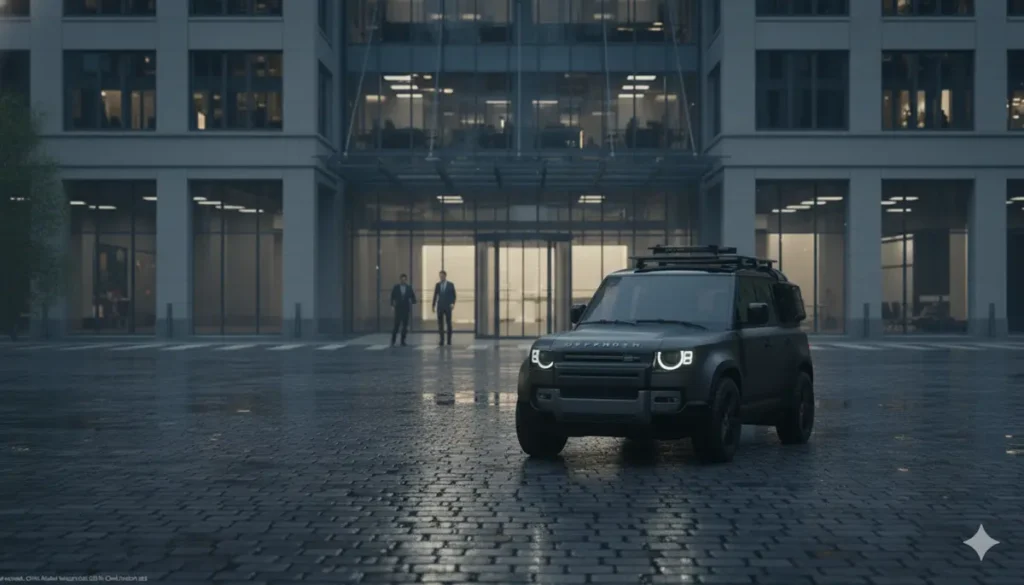
What does this mean for the Sierra? Well, it means Tata has direct access to JLR’s design philosophy, engineering expertise, and manufacturing know-how. When you own the company that makes the Defender, it’s only natural that some of that DNA trickles down to your own products. This isn’t copying, it’s corporate synergy.
When Tata Bought Land Rover in 2008
The acquisition gave Tata Motors unprecedented access to premium SUV engineering. Engineers from both companies have collaborated on multiple projects over the years. While the Sierra doesn’t share the Defender’s platform or components, it definitely shares the same design philosophy. Think of it as two siblings from the same family, one wearing a luxury suit and the other sporting smart casuals.


Why Everyone Calls Tata Sierra the Mini Defender
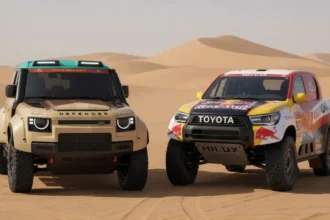
Now let’s get to the heart of the matter. The nickname “Mini Defender” didn’t come from Tata’s marketing department. It emerged organically from automotive journalists, social media users, and enthusiasts who couldn’t ignore the striking visual similarities. Indian and Pakistani media outlets have been using this term extensively, and for good reason.
The Boxy Silhouette That Caught Everyone’s Eye
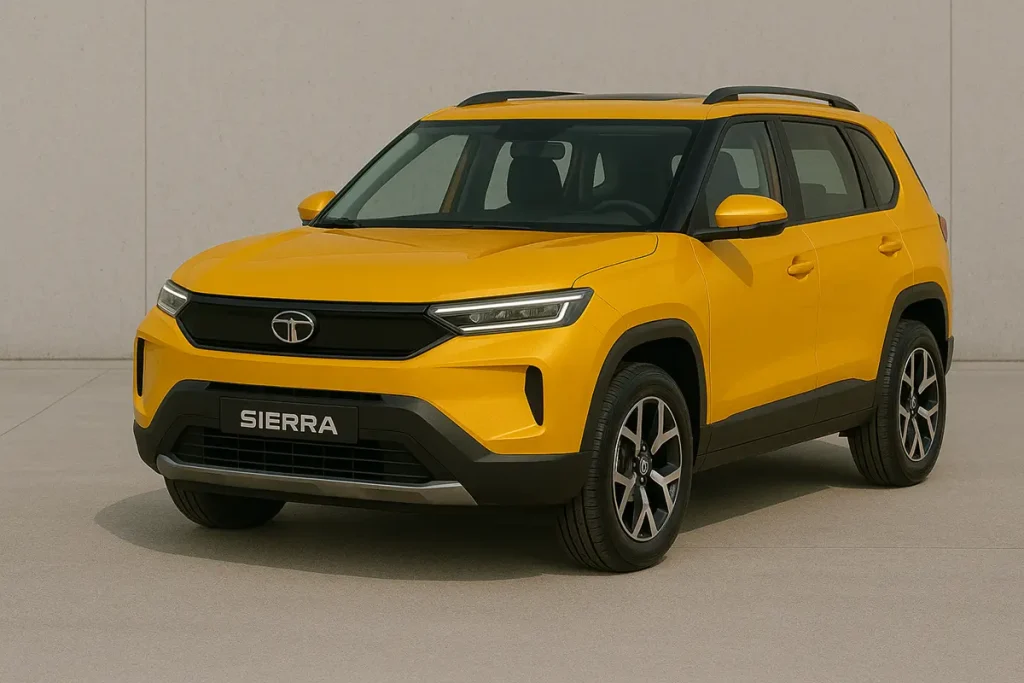
The first thing you notice about the Sierra is its uncompromisingly boxy design. In an era where most SUVs are trying to look sleek and aerodynamic, the Sierra stands tall with its upright stance and squared-off proportions. The high shoulder line, flat roof, and minimal curves create a commanding presence that immediately reminds you of the Defender’s utilitarian design language.
This isn’t accidental. Tata deliberately retained the boxy silhouette from the original 1991 Sierra while modernizing it with contemporary touches. The result? An SUV that looks purpose-built and capable, much like the Defender.
Floating Roof Design and Blacked-Out Pillars
Here’s where things get really interesting. The Sierra features a floating roof design achieved through blacked-out A, B, C, and D pillars. If you’ve seen a Defender 110, this should sound very familiar. The contrast between the body color and the black pillars creates an optical illusion that makes the roof appear to float, giving the SUV a distinctive two-tone appearance.
This design trick serves both aesthetic and practical purposes. It makes the SUV look lighter and more dynamic while maintaining that rugged, adventurous character. The thick B-pillar treatment on the Sierra is particularly reminiscent of the Defender’s signature design element.
Squared Wheel Arches and Rugged Stance
Look at the Sierra’s wheel arches, they’re trapezoidal and heavily cladded in matte black plastic. The Defender uses a similar approach with its squared-off wheel arches that prioritize function over form. These aren’t just decorative elements; they suggest capability and off-road readiness.
The Sierra rides on 17 to 19-inch alloy wheels, depending on the variant, with chunky tires that fill those arches nicely. The overall stance is wide, planted, and aggressive, much like you’d expect from a proper off-roader.
The Premium Design Language
Flush door handles, LED light bars connecting the headlamps, slim LED taillights, and a clean rear design without external spare wheel mounting. These are all modern premium SUV traits that both the Sierra and Defender share. While the Defender offers an optional externally mounted spare wheel for that classic look, the Sierra keeps things clean and contemporary.
The Sierra’s front grille has an almost EV-like closed-off appearance, with subtle detailing that only reveals itself up close. This minimalist approach to design is very much in line with Land Rover’s recent design direction.
Design DNA Breakdown: Sierra vs Defender
Let’s get technical and compare specific design elements side by side.


Side Profile Comparison
From the side, the similarities are most apparent. Both vehicles feature:
- High beltline with large glass area for excellent visibility
- Short front and rear overhangs for better approach and departure angles
- Upright windscreen and rear glass
- Muscular haunches over the rear wheels
- Blacked-out pillars creating the floating roof effect
- Flush door handles for aerodynamic efficiency
The Sierra’s Alpine-style rear window treatment is a nod to the original 1991 model, but it also gives the SUV a unique character that sets it apart from the Defender while maintaining that adventurous spirit.
Front and Rear Design Elements
Up front, the Sierra gets slim LED headlights with a full-width LED light bar on top, a design element that’s become increasingly popular in modern SUVs. The Defender uses matrix LED headlights with a similar horizontal emphasis. Both vehicles prioritize width and presence in their front-end design.
At the rear, the Sierra opts for slim connected LED taillights with a clean, uncluttered bumper design. The Defender’s rear is more utilitarian with its side-hinged tailgate option and integrated spare wheel carrier, but both share that vertical, upright rear end philosophy.
Interior Philosophy
Inside, the Sierra takes a decidedly modern approach with its segment-first triple-screen setup. You get a 10.25-inch digital instrument cluster, a 12.3-inch central infotainment touchscreen, and an additional 12.3-inch display for the front passenger. The Defender’s interior is more minimalist with its Pivi Pro system, but both cabins prioritize functionality and premium materials.


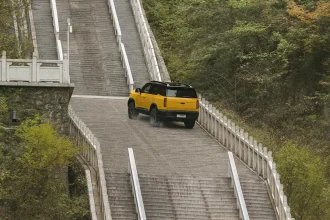
The Sierra’s dashboard features brushed metal accents, piano black finishes, and a dual-tone beige and black color scheme that gives it an upscale feel. Rubberized materials in key areas suggest durability and practicality, much like the Defender’s washable interior surfaces.
Tata Sierra Specifications and Features
Let’s talk numbers. The 2025 Tata Sierra comes with three engine options:
Engine Options:
| Engine Type | Displacement | Power | Torque | Transmission |
|---|---|---|---|---|
| Naturally Aspirated Petrol | 1.5L | 105 bhp | 145 Nm | 6-speed MT / 7-speed DCT |
| GDi Turbo Petrol | 1.5L | 158 bhp | 255 Nm | 6-speed AT |
| Diesel | 1.5L | 116 bhp | 260 Nm | 6-speed MT / 7-speed DCT |
The Sierra is built on Tata’s new modular ARGOS platform, which is designed to support multiple powertrains including an upcoming electric version. The platform also promises future AWD capability, with Tata already confirming an AWD variant is in the works.
Key Features:

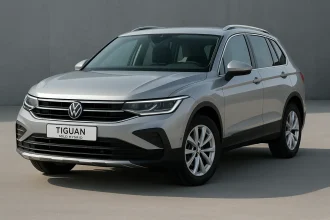
- Triple-screen dashboard setup (segment-first)
- Level 2 ADAS (adaptive cruise control, lane-keep assist, auto emergency braking, blind-spot detection, rear cross-traffic alert)
- 12-speaker JBL sound system with Dolby Atmos
- Panoramic sunroof (largest in segment at 1525mm x 925mm)
- AR Head-Up Display (India’s first in an ICE vehicle with 19 smart visuals)
- 360-degree camera with front and rear parking sensors
- 6-way powered driver seat with memory and welcome function
- Ventilated front seats
- Wireless Apple CarPlay and Android Auto
- Connected car technology with iRA app (75 intelligent features)
- 5G connectivity with OTA updates for up to 10 ECUs
- Six airbags as standard across all variants
- Electronic parking brake with auto-hold
- Hill hold assist
- Electronic stability control
- TPMS (Tyre Pressure Monitoring System)
How Sierra Positions Against the Defender
Here’s where things get really interesting from a value perspective.
Comparison Table: Tata Sierra the Mini Defender
| Feature | Tata Sierra | Land Rover Defender 110 | Mahindra Thar | Maruti Suzuki Jimny |
|---|---|---|---|---|
| Starting Price | ₹11.49 lakh | ₹98 lakh | ₹11.35 lakh | ₹12.74 lakh |
| Seating | 5 | 5-7 | 4-7 | 4 |
| Engine Options | 1.5L Petrol/Diesel | 2.0L-4.4L Petrol/Diesel | 2.0L/2.2L Petrol/Diesel | 1.5L Petrol |
| Transmission | MT/DCT/AT | 8-speed AT | MT/AT | MT/AT |
| AWD/4WD | AWD (coming soon) | Standard AWD | Standard 4WD | Standard 4WD |
| ADAS | Level 2 | Yes | No | No |
| Sunroof | Panoramic | Panoramic | Optional | No |
| Digital Screens | 3 | 2 | 1-2 | 1 |
| Off-road Focus | Moderate | Extreme | High | High |
| Segment | Midsize SUV | Luxury SUV | Compact Off-roader | Compact Off-roader |
The Defender starts at ₹98 lakh and can go up to ₹2.6 crore for the Octa variant. The Sierra starts at ₹11.49 lakh with the top variant expected around ₹20 lakh. That’s roughly one-fifth the price for a vehicle that shares visual DNA and offers surprisingly premium features.
The Price Advantage: Affordable Premium
Sierra Pricing Breakdown
Tata has announced an introductory starting price of ₹11.49 lakh (ex-showroom) for the base Smart+ variant with the naturally aspirated petrol engine. The full variant-wise pricing will be announced in early December 2025, but industry estimates suggest:
- Smart+: ₹11.49 lakh (confirmed)
- Pure/Pure+: ₹13-14 lakh (estimated)
- Adventure/Adventure+: ₹16-17 lakh (estimated)
- Accomplished/Accomplished+: ₹18-20 lakh (estimated)
Pre-bookings open online, Bookings open December 16, 2025, with deliveries starting January 15, 2026.
Defender Pricing Reality Check
The Land Rover Defender 110 X-Dynamic HSE 2.0 Petrol starts at ₹98 lakh ex-showroom. By the time you add on-road costs (registration, insurance, accessories), you’re looking at well over ₹1.12 crore. The top-end Defender Octa Edition One with its 4.4L twin-turbo V8 producing 626 bhp will set you back ₹2.79 crore.
For context, you could buy approximately 8-9 fully loaded Tata Sierras for the price of a single base Defender. Let that sink in.
Value for Money Analysis
Here’s the thing about why everyone calls Tata Sierra the Mini Defender, it’s not just about looks. It’s about democratizing that premium, rugged SUV aesthetic. The Defender is an aspirational vehicle that most people can only dream about. The Sierra makes that dream accessible.
You get:
- Similar boxy, commanding design language
- Modern premium features (triple screens, Level 2 ADAS, JBL audio)
- Practical 5-seater layout
- Multiple powertrain options
- Tata’s proven safety credentials
- Relatively affordable ownership costs
All at a price point that competes with mainstream midsize SUVs like the Hyundai Creta, Kia Seltos, and Honda Elevate, not luxury SUVs.
Also Read: Should I Buy Tata Sierra 2025 or Tata Curvv? The Ultimate Comparison & Buying Guide
Real-World Impressions and Owner Perspectives
I spoke with several early bookers and automotive enthusiasts to gauge reactions. Here’s what I heard:
Rajesh from Bangalore says, “I was considering a Creta, but the moment I saw the Sierra at the launch event, I knew this was it. It looks like nothing else in its segment. People keep asking me if it’s related to the Defender, and I love explaining the Tata-JLR connection.”
Priya from Delhi adds, “As a woman, I wanted something that looked confident and capable but wasn’t intimidating to drive in the city. The Sierra checks all boxes. The triple-screen setup is incredible, and the safety features give me peace of mind.”
Did You Know?
Tata Motors conducted India’s first car-to-car crash test using two Sierra units to demonstrate safety. This self-crash test shows the confidence Tata has in the Sierra’s structural integrity.
The Sierra’s design has sparked intense debate online. Some purists argue it’s too derivative of the Defender, while others appreciate it as an affordable homage that brings premium design to the masses. The Pakistani automotive community has been particularly vocal, with many calling it their “impossible dream SUV” due to import restrictions.
Beyond the Looks: Performance and Features
Engine Options and Performance
The naturally aspirated 1.5L petrol (105 bhp, 145 Nm) is the most affordable entry point, suitable for city driving and highway cruising. It’s not going to set your pulse racing, but it gets the job done efficiently.
The 1.5L GDi turbo petrol (158 bhp, 255 Nm) is the sweet spot. This all-new direct-injection engine delivers punchy performance with 0-100 kmph expected in under 10 seconds. It’s paired exclusively with a 6-speed torque converter automatic, making it ideal for enthusiastic drivers who want a bit more oomph.
The 1.5L diesel (116 bhp, 260 Nm) offers the best torque figure, making it perfect for highway runs and light off-roading. With either a 6-speed manual or 7-speed DCT, it promises a balance of performance and efficiency. Real-world mileage is expected to be around 17-18 kmpl.
Technology and Comfort Features
The Sierra’s tech suite is genuinely impressive for its segment. The AR Head-Up Display projects 19 different visual elements onto the windscreen, including navigation arrows, speed, ADAS warnings, and even media information. It adapts to your driving context, showing relevant information when you need it.
The iRA connected car app goes beyond basic remote functions. You get proactive care alerts, birthday celebration mode (because why not?), commute-to-home/office shortcuts, and even a Relax Mode that adjusts cabin ambience. There are 75 intelligent features in total, including industry-first capabilities that Tata hasn’t fully detailed yet.
The passenger screen isn’t just for show, it can stream entertainment, browse apps, and display relevant trip information without distracting the driver. Think of it as your co-pilot’s personal infotainment hub.
Safety Suite
Tata takes safety seriously, and the Sierra reflects this commitment. Six airbags are standard across all variants, not just the top trims. The Level 2 ADAS suite includes:
- Adaptive cruise control that maintains a safe following distance
- Forward collision warning with auto emergency braking
- Lane departure warning and lane keep assist
- High beam assist that automatically switches between high and low beams
- Blind spot detection (Adventure+ onwards)
- Rear cross-traffic alert (Adventure+ onwards)
- Rear collision warning (Adventure+ onwards)
- Door open alert to prevent accidents when exiting in traffic
The 360-degree camera system with front and rear parking sensors makes maneuvering this boxy SUV surprisingly easy in tight spaces.
Market Impact and Cultural Phenomenon
The Sierra’s launch has created ripples across multiple markets. In India, it fills a gap in Tata’s lineup between the Curvv and Harrier, targeting buyers who want something distinctive without paying luxury SUV prices.
The “Tata Sierra the Mini Defender” nickname has become a marketing asset in itself. Tata hasn’t officially used this term, but they’re not discouraging it either. Why would they? It positions the Sierra as a premium product by association while emphasizing incredible value.
Social media has been flooded with comparisons, renders, and debates about the Sierra-Defender connection. Pakistani automotive forums are full of discussions about how this SUV represents everything local manufacturers fail to deliver. This cross-border aspirational appeal is unprecedented for a Tata vehicle.
The automotive press has been largely positive, praising Tata for taking design risks and offering genuine value. Some criticism focuses on the base variant lacking an infotainment screen (though higher variants get the triple-screen setup), and questions remain about real-world driving dynamics until proper road tests are conducted.
Practical Advice: If you’re considering the Sierra, wait for the full variant-wise pricing and feature breakdown in early December. The base variant seems stripped down, so you’ll likely want at least the Pure+ or Adventure trim for a satisfying feature set.
Should You Buy the ‘Tata Sierra the Mini Defender’?
Who Should Consider the Sierra
The Tata Sierra the Mini Defender makes perfect sense if you’re:
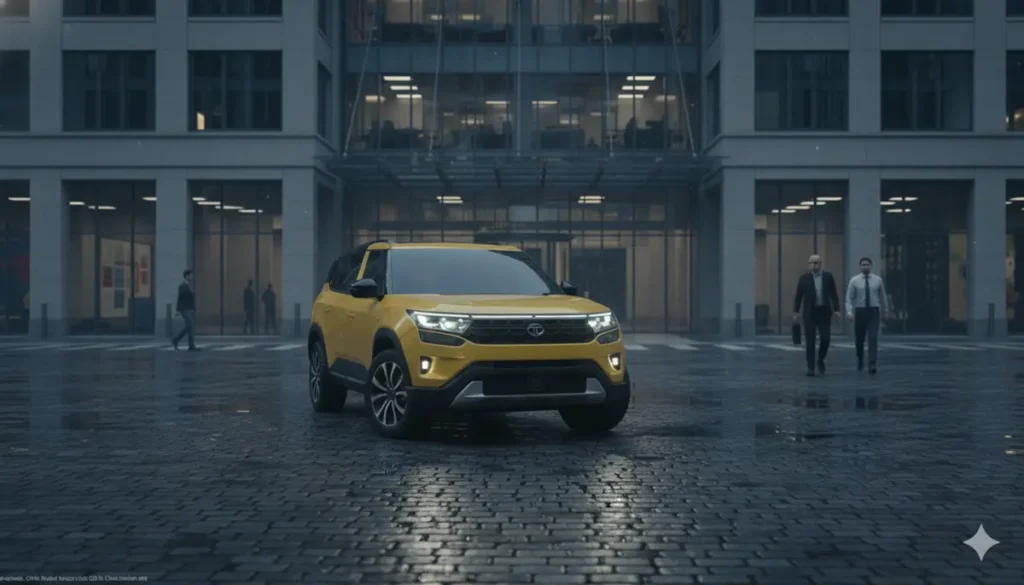
The Design Enthusiast: You want something that looks different from the sea of rounded crossovers. The boxy, upright design speaks to you, and you appreciate the Defender-inspired aesthetic at an accessible price.
The Tech-Forward Buyer: You value modern features like Level 2 ADAS, triple-screen setup, AR HUD, and connected car technology. You want your SUV to feel contemporary and future-ready.
The Safety-Conscious Family Person: Tata’s safety reputation matters to you. You want six airbags as standard, comprehensive ADAS, and a strong structure that’s been crash-tested extensively.
The Value Seeker: You’ve considered the Creta and Seltos but want something more distinctive without paying luxury SUV prices. The Sierra’s pricing and feature combination appeals to your practical side.
The Brand Loyalist: You believe in Tata’s evolution from utilitarian vehicles to premium products. You want to support an Indian brand that’s pushing boundaries and taking design risks.
When to Wait for Updates
Consider waiting if:
You absolutely need AWD capability. The AWD variant has been confirmed, but timing is unclear. If off-road capability is crucial, either wait for the AWD version or consider the Mahindra Thar.
You want the EV version. Tata has confirmed an electric Sierra is coming. If you’re committed to electric mobility, waiting might make sense depending on your timeline.
You need a 7-seater. The Sierra is strictly a 5-seater. If you need that third row, look at the Tata Safari, Mahindra XUV700, or Hyundai Alcazar instead.
You’re waiting for long-term reviews. The Sierra is brand new. If you prefer proven reliability data and comprehensive road test reviews, waiting 6-12 months will give you more information.
Also Read: Tata Sierra 2025 vs KIA Seltos, Which SUV to Buy in India 2025
FAQ: Why Tata Sierra the Mini Defender
Is the Tata Sierra actually built on the Land Rover Defender platform?
No, the Sierra is built on Tata’s all-new ARGOS platform, not the Defender’s D7x architecture. While Tata owns JLR, the Sierra is an entirely Tata-developed product. The similarities are in design philosophy and visual aesthetics, not mechanical components or platform sharing.
Why is the Tata Sierra called the Mini Defender?
The nickname “Tata Sierra the Mini Defender” emerged organically from automotive media and enthusiasts who noticed striking design similarities, the boxy silhouette, floating roof with blacked-out pillars, squared wheel arches, and overall rugged aesthetic. The fact that Tata owns Land Rover adds credibility to the connection. It’s not an official designation, but rather a cultural phenomenon that highlights the Sierra’s premium design language at an affordable price point.
Will the Tata Sierra get a 4WD or AWD option?
Yes, Tata has confirmed that an AWD variant of the Sierra is coming. It will be the first Tata model in this new generation to feature all-wheel drive. However, the launch timeline hasn’t been specified yet. If AWD capability is essential for you, it might be worth waiting for this variant or checking with dealers for expected availability dates.
How does Sierra pricing compare to the Defender?
The price difference is massive. The Sierra starts at ₹11.49 lakh and will likely top out around ₹20 lakh for the highest variant. The Land Rover Defender starts at ₹98 lakh and goes up to ₹2.6 crore. You could buy approximately 8-9 fully loaded Sierras for the price of one base Defender. This makes the Sierra’s “Mini Defender” nickname particularly appealing, you get similar visual presence at a fraction of the cost.
What are the main competitors to the Tata Sierra?
The Sierra competes in the midsize SUV segment against the Hyundai Creta, Kia Seltos, Maruti Suzuki Grand Vitara, Honda Elevate, Skoda Kushaq, Volkswagen Taigun, MG Astor, and Toyota Urban Cruiser Hyryder. Its unique boxy design sets it apart visually from these more conventional-looking rivals. It’s positioned above the Curvv and below the Harrier in Tata’s own lineup.
When can I book and take delivery of the Tata Sierra?
Bookings for the Tata Sierra open on December 16, 2025, while online pre-bookings are now open. Deliveries are scheduled to begin on January 15, 2026. Full variant-wise pricing will be announced in early December 2025. If you’re interested, it’s worth connecting with your nearest Tata dealership soon to understand waiting periods and get updates on feature specifications for each variant.
Final Thoughts: The Democratization of Premium Design
So why do people keep asking why everyone calls Tata Sierra the Mini Defender? Because it represents something bigger than just design similarities. It’s about making premium, distinctive automotive design accessible to a much wider audience.
The Defender is an icon, a status symbol, a vehicle that commands respect wherever it goes. But it’s also prohibitively expensive for the vast majority of car buyers. The Sierra channels that same energy, that same bold, confident, go-anywhere aesthetic, but at a price point that competes with mainstream family SUVs.
Tata hasn’t tried to hide the visual parallels. Instead, they’ve embraced their corporate connection to JLR and used it to their advantage. The floating roof, the boxy proportions, the rugged stance, these aren’t cheap imitations. They’re deliberate design choices that show what’s possible when an Indian mass-market brand has access to premium engineering knowledge.
Is the Sierra a true Defender alternative? Not in terms of off-road capability, luxury quotient, or brand prestige. But as a design-forward, feature-rich, safe, and affordable SUV that captures some of that Defender magic? Absolutely.
The real question isn’t why everyone calls it the Mini Defender. The question is: why wouldn’t they? When you create a vehicle that successfully democratizes a premium design language while offering genuine value, people will naturally make that connection. And in this case, that connection is exactly what makes the Sierra so compelling.
What do you think about the Tata Sierra and its Defender-inspired design? Does the “Mini Defender” nickname feel earned, or is it just clever marketing? Drop your thoughts in the comments below. I’d love to hear whether you’re team Sierra or waiting for something else in this segment